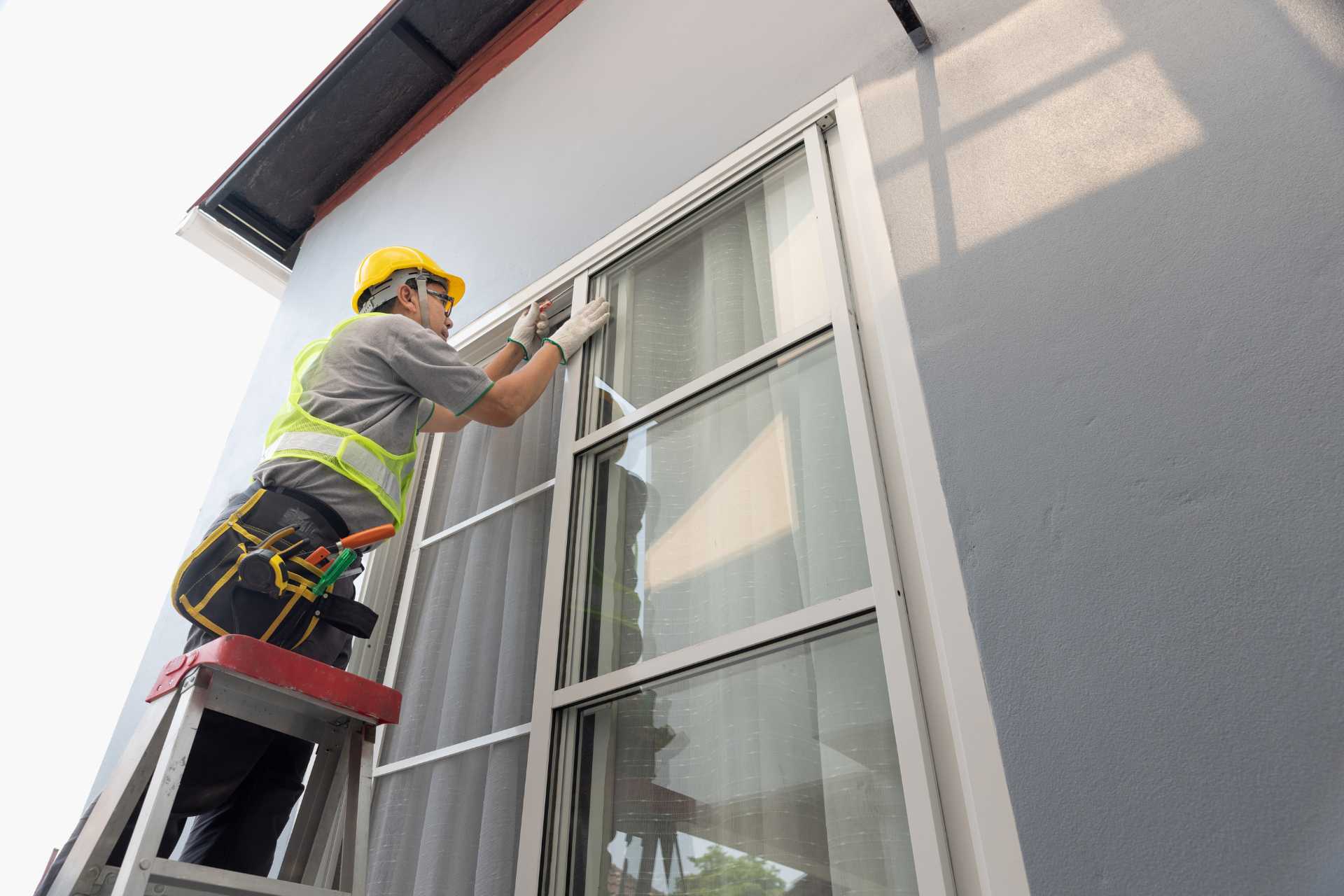
During the depths of a Canadian winter, many homeowners focus primarily on their thermostat settings. When heating systems begin running longer than expected, the automatic response is often to schedule a furnace repair. However, the underlying issue is frequently not a malfunction in the mechanical system itself but a major failure in the home’s thermal envelope. This problem often starts at the most vulnerable points: the windows.
The problem is fundamentally one of heat loss via air infiltration. Drafty or poorly sealed windows allow warm, conditioned air to escape the home, simultaneously drawing cold exterior air in to replace it. This constant exchange forces the furnace to cycle more frequently and operate under persistent, elevated demand. Understanding the direct relationship between poor window performance, uneven indoor temperatures, and an increased heating system workload is crucial for achieving effective winter energy savings and maximizing comfort. Investing in solutions like professional window replacement addresses the core issue, not just the symptom.
The Science of Convective Heat Loss
Windows contribute to heat loss through two primary mechanisms: conduction and convection. Conduction is the movement of heat through the solid materials of the glass and frame. Convection, however, refers to heat moving via air leaks or drafts. In older or poorly installed windows, convection via air leaks is often the dominant cause of excessive furnace cycling, as it rapidly replaces an entire volume of warm air with cold air.
These drafts create pockets of cold air, often pooling near the floor or exterior walls. This effect is why your windows feel ice-cold in the winter. The thermostat, which is typically centrally located in the home, senses this overall drop in ambient temperature. To compensate for the perceived cold, the thermostat triggers the furnace to run, often unnecessarily heating areas that are already warm. This cycle of compensating for localized heat loss drives up energy consumption unnecessarily.
The Impact on Furnace Workload and Longevity
Constant heat loss through drafts prevents the home from easily reaching and maintaining the set temperature. The persistent influx of cold air means the system struggles to satisfy the thermostat’s demands. This stress forces the furnace to engage in longer, more frequent cycles, dramatically increasing its operational workload and energy consumption throughout the heating season. This relentless operation is what homeowners experience as a furnace that “runs all the time.”
Frequent cycling puts excessive, accelerated stress on the furnace’s mechanical components. Parts such as the igniter, the blower motor, and the relays are designed for a certain operational lifespan. When the system is forced to start and stop repeatedly, or run for excessively long periods, this accelerates wear and tear. Increased wear leads directly to the premature failure of parts, driving up the need for routine maintenance and expensive furnace repair. Addressing the window drafts is therefore one of the most effective ways to stop overworking your HVAC system and protect its longevity.
Identifying and Addressing Window Failure
Homeowners can easily identify air leaks to pinpoint where the thermal envelope is failing. Simple, non-technical methods can be used to locate drafts. For instance, holding a lit candle or a piece of tissue paper near the window edges on a windy day will reveal movement if air is leaking in. Leaks often occur not through the glass itself, but around the frame, where the sash meets the frame, or where the window frame meets the wall structure. These small gaps can equal the area of a large hole when added together across all the windows in a house.
Once leaks are identified, several short-term sealing solutions can mitigate energy loss immediately. Simple, temporary fixes include applying specialized weatherstripping around the movable sash, installing interior window film kits, or applying exterior caulking to fill cracks where the frame meets the wall. While these solutions are helpful for immediate comfort, new, energy-efficient windows can keep your home warm in the winter and offer the true long-term solution. These modern units incorporate multi-pane glass, low-emissivity (Low-E) coatings, and argon or krypton gas fills to minimize both air infiltration and conductive heat loss simultaneously.
Long-Term Thermal Strategy
The decision to invest in high-performance windows moves beyond merely stopping drafts. It represents a fundamental shift in a home’s thermal strategy. Modern windows are engineered to reduce conductive heat loss dramatically. This heat loss occurs through the glass and frame. This is the secondary mechanism of energy waste. Features like insulated frames and sashes are combined with meticulously sealed joints. This ensures that the entire window unit acts as a high-efficiency barrier. This significantly reduces the heating demand placed on the furnace throughout the year.
For homeowners planning for the future, investing in a complete window replacement offers an excellent return on investment. The resulting energy savings can be substantial. The upgraded aesthetics and comfort significantly enhance the home’s resale value. By addressing the root cause of heat loss, the home’s heating system operates efficiently. It reaches the desired temperature faster and maintains it with less effort. This stabilization of indoor comfort is noticeable in every room. This makes the investment worthwhile.
Treating the Symptom vs. The Cause
Relying solely on turning up the thermostat only treats the symptom. Scheduling repeated furnace repair also treats the symptom: the cold interior. This ignores the root cause, which is uncontrolled heat loss. The most effective, long-term solution addresses the thermal envelope’s failure points. This must start with drafty windows. Every dollar spent on heating a drafty home is wasted energy. That energy immediately escapes outside.
Homeowners are strongly encouraged to conduct a simple window audit this winter. Prioritize sealing identified air leaks. This immediately reduces heating costs and stabilizes indoor comfort. It also significantly decreases the strain on the heating system. Taking these steps ensures the home is not just heated, but efficiently insulated. This leads to reduced utility bills and a decreased need for future expensive mechanical repairs.
Don’t Blame the Furnace; Blame the Drafts!
The solution to a constantly running furnace and soaring utility bills lies not in turning up the thermostat, but in sealing the leaks. Drafty windows are silent energy thieves, forcing the furnace to work harder and cycle more often than necessary. Homeowners should conduct a window audit, address air infiltration, and invest in modern, energy-efficient window solutions to stabilize indoor temperatures, reduce wear on their heating system, and secure substantial long-term savings.