Canadian winters bring extended heating seasons and rising energy demands for homeowners. Many people consider window replacement only after noticing higher utility bills or declining indoor comfort. During home transactions, even a real estate agent may point out aging windows as a factor influencing value and buyer confidence. Cold-weather performance becomes especially important when temperatures remain below freezing for long periods. Understanding how heat escapes through windows helps homeowners make informed decisions about efficiency.
Old windows in the winter often reveal weaknesses that remain hidden during milder seasons. Drafts, condensation, and fluctuating indoor temperatures are common indicators of declining insulation performance. When windows fail to retain warmth effectively, heating systems must compensate for continuous energy loss. Learning the science behind thermal transfer clarifies why certain windows struggle in cold climates. This knowledge provides a clearer framework for evaluating performance and potential upgrades.
How Heat Moves Through Windows
Heat escapes through windows in several predictable ways during winter. The first is conduction, where warmth transfers directly through the glass from the heated interior to the colder outdoor surface. The second is convection, which occurs when air circulates around window surfaces and carries heat away. Radiation also plays a role, as heat energy moves through glass in the form of infrared waves. Finally, air leakage allows conditioned indoor air to escape through small gaps around frames and seals.
When these mechanisms work together, heat loss becomes more noticeable. Conduction explains why windows feel ice-cold in the winter, especially when outdoor temperatures drop significantly. Cold glass surfaces lower nearby air temperatures and create discomfort in surrounding spaces. Even well-maintained older windows may struggle to limit this transfer. Understanding these processes helps explain why thermal performance varies so dramatically between aging and modern window systems.
Why Glass Is Naturally a Poor Insulator
Glass by itself does not provide strong thermal resistance. Unlike insulated walls, which contain multiple layers and air barriers, a single pane of glass allows heat to transfer relatively easily. During prolonged cold periods, indoor warmth naturally moves toward the colder exterior surface. This transfer becomes more noticeable when temperatures remain below freezing for extended stretches. As a result, homes with older glazing systems experience greater winter heat loss.
Modern double- and triple-pane units are designed to slow this process. Multiple panes create insulated air spaces that reduce conduction and convection. However, when aging units experience window seal failure, the insulating gas between panes can escape. Once seals deteriorate, thermal performance declines significantly. Over time, compromised seals reduce the ability of the window to retain indoor heat efficiently.
The Role of Window Seals and Frames in Heat Retention
Window seals and frame materials play a critical role in winter performance. Even if the glass itself is multi-pane, weak perimeter seals allow cold air to enter and warm air to escape. Over time, expansion and contraction during seasonal changes weaken these components. Small gaps around frames can significantly increase air infiltration. Proper seal integrity is essential for maintaining consistent indoor temperatures.
Frame material also influences insulation value. Older aluminum frames, for example, conduct cold more easily than insulated vinyl or composite materials. When seals deteriorate or frames shift, air leakage becomes more noticeable. This gradual decline contributes to discomfort and rising heating demands. Evaluating seal and frame performance helps homeowners determine when efficiency has dropped beyond repair.
How Air Leakage Increases Heating Demand
Air leakage is one of the most significant contributors to winter heat loss. Even small gaps around aging window frames allow conditioned air to escape while drawing in cold outdoor air. This constant exchange forces heating systems to cycle more frequently. As temperatures drop, the demand on the furnace increases to maintain consistent indoor comfort. Over time, this pattern leads to higher energy consumption.
When drafts become persistent, homeowners may notice that certain rooms never feel fully warm. Air infiltration disrupts temperature balance and reduces overall efficiency. Modern upgrades address these gaps more effectively, which is why new windows can keep your home warm in the winter by minimizing uncontrolled airflow. Improved sealing and insulation reduce strain on heating systems. Controlling air leakage plays a major role in maintaining comfort during long Canadian winters.
The Impact of Window Efficiency Ratings
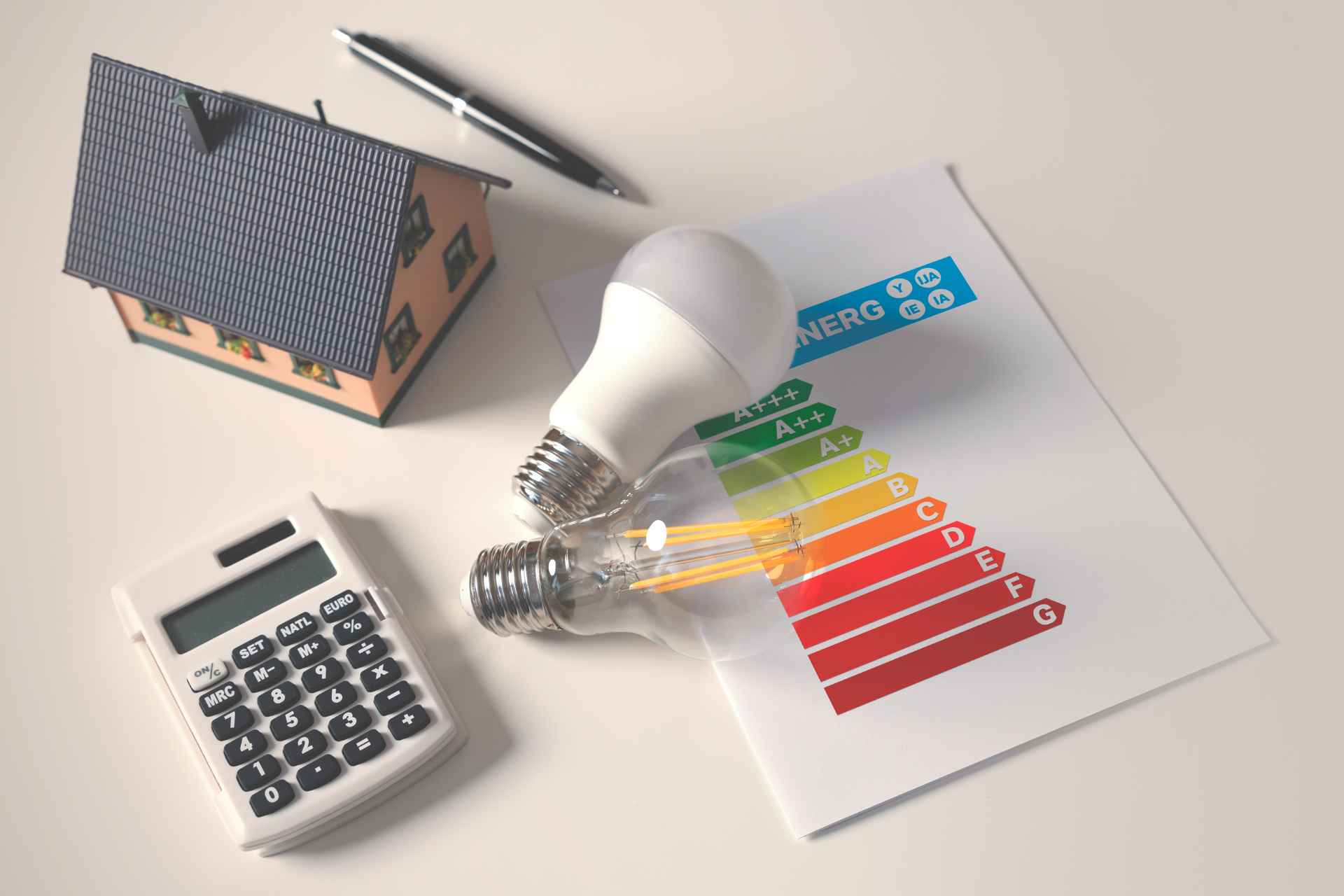
Window efficiency ratings provide measurable insight into winter performance. The U-factor indicates how much heat transfers through the window, with lower numbers reflecting better insulation. R-value measures resistance to heat flow, meaning higher values reduce thermal loss. These ratings help homeowners compare performance across different products. In cold climates, selecting windows with strong insulation metrics makes a noticeable difference.
Older units often lack the performance standards found in modern designs. As thermal resistance declines, overall heat retention weakens during extended cold periods. Evaluating efficiency ratings provides a clearer understanding of where improvements are needed. Windows with better ratings reduce reliance on heating systems. This measurable performance difference becomes especially important during long Canadian winters.
How Modern Window Technology Reduces Heat Loss
Modern window systems are engineered specifically to combat winter heat transfer. Low-emissivity coatings reflect interior heat back into the home rather than allowing it to escape through the glass. Argon or krypton gas fills between panes reduce conduction and slow thermal movement. Thermal breaks within frames prevent cold from transferring directly through structural components. These advancements significantly improve insulation performance compared to older window designs.
Upgraded glazing systems also address long-term durability concerns. Stronger seal technology reduces the likelihood of future deterioration and performance decline. Multi-pane configurations maintain warmer interior glass temperatures, improving comfort near window surfaces. When insulation performance improves, indoor temperatures remain more stable throughout the heating season. Investing in modern window systems supports measurable reductions in winter heat loss.
Understanding Heat Loss Leads to Better Winter Performance
Winter heat loss through windows is driven by conduction, convection, radiation, and air leakage. Aging seals, single-pane glass, and declining frame integrity all contribute to reduced insulation performance. As efficiency drops, heating systems work harder and indoor comfort declines. Understanding these mechanisms helps homeowners evaluate when improvements are necessary. Addressing window performance proactively strengthens winter efficiency and long-term home value.