Investing in top-tier exterior materials is one of the most effective ways to preserve your home’s structural value. When seasonal weather shifts bring sub-zero temperatures and freezing rain, property owners quickly realize the value of high-performance exterior upgrades. Organizing a comprehensive window replacement project is an excellent method for strengthening your home’s defences.
Protecting a building envelope requires looking at the property as a single, connected ecosystem. Homeowners will carefully interview a certified roofing company to secure their upper shingles, yet they often overlook the technical precision required for their walls. If your new window frames are warped or unsealed during assembly, your premium glass cannot protect you. This minor fitting error creates hidden gaps that let freezing air bypass your weather strikes entirely.
The Quick Edit
- The Skill Over Product Rule: High-end glass cannot compensate for a sloppy installation. Fitting errors completely destroy a window’s operational efficiency.
- Hidden Moisture Paths: Poorly integrated perimeter flashing allows rain and melting snow to pool inside wall cavities, causing structural rot.
- Thermal Performance Loss: Missing or uneven insulation around the rough opening creates thermal bridges, leading to freezing drafts and high heating bills.
The Precision Dynamic: Why Elite Engineering Demands Flawless Alignment
Modern triple-pane windows are highly complex pieces of architectural hardware. They feature argon gas fills, multi-layered low-emissivity coatings, and intricate structural multi-point locking systems. These components are engineered to work together to keep cold air out and warm air in. However, this complex system relies on one critical factor: perfect physical alignment within the rough wall opening.
When a crew rushes the fitting process, they often fail to check if the frame is perfectly level, plumb, and square. A deviation of just a few millimetres across a large window frame places uneven mechanical pressure on the moving parts. Over time, this structural twisting prevents the window sashes from sealing tightly against the weatherstripping, creating an immediate path for freezing winter air.
Furthermore, a twisted frame warps the internal alignment of the locking points. When the locking pins do not line up correctly with their keepers, the window cannot close tightly. This structural failure bypasses the advanced security features of your windows, leaving your home vulnerable to forced entry and constant air leaks. Ensuring your frames are perfectly square is the only way to keep your locking mechanisms operating smoothly.
The Flashing Failure: How Moisture Infiltration Rots Wall Frameworks
The most destructive consequence of a rushed installation happens completely out of sight beneath your exterior siding. Windows are exposed to heavy driving rain, high-velocity winds, and thick accumulation of winter snow. To manage this heavy water exposure, installers must integrate the window frame with the home’s existing drainage plan using specialized flashing tapes and sill pans.
Overlooking the Sill Pan
A common error during low-tier installations is omitting a sloped sill pan beneath the window frame. The sill pan acts as a critical secondary drainage layer that catches water and directs it safely outward. Without this piece, any water that forces its way past the exterior brick mould pools directly on the raw wood framing.
Reverse-Lapping Membranes
Another serious failure occurs when workers install perimeter flashing tapes in the wrong order, known as reverse-lapping. If an installer tapes the top flange over the house wrap instead of tucking it underneath, they create a natural water trap. Rain running down the wall slips right behind the tape, soaking your exterior sheathing and causing hidden structural wood rot.
Thermal Shunting: The Costly Reality of Voids in Perimeter Insulation
The space between a window frame and your home’s wooden wall framing is the rough opening gap. This small space must be completely insulated. This keeps your exterior envelope’s thermal barrier continuous. If this zone is left hollow or insulated incorrectly, it creates an immediate weak spot in your home’s defences.
To fill this tight gap properly, installers must use specialized low-expansion polyurethane foam. Rushing this step often leaves large, empty pockets within the wall cavity. These empty spaces act as clear thermal bridges. They allow sub-zero winter temperatures to freeze the interior edges of your window frame.
This continuous cold transfer chills the indoor air. As a result, your furnace must run longer and more frequent cycles to keep you warm. This extra strain drives up your monthly heating costs. It also places unnecessary wear on your HVAC systems. Worse yet, when warm indoor humidity hits these frozen window edges, it instantly turns into condensation. This constant moisture runs down your baseboards, peeling your interior paint and inviting toxic black mould to thrive along your drywall.
Maximizing Natural Daylight: Balancing Visual Volume with Real-World Performance
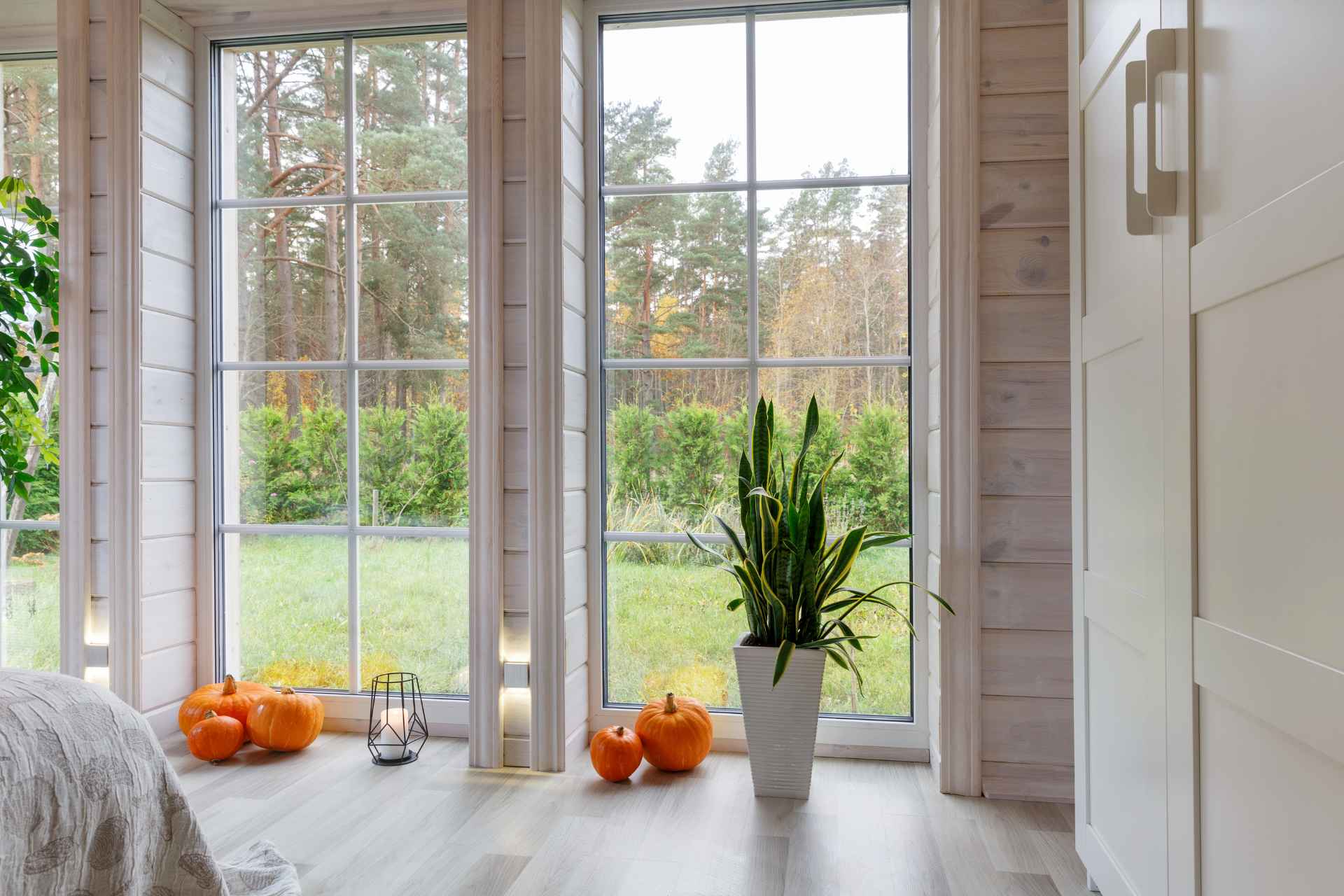
When property owners upgrade their homes, their main goal is usually to brighten up dark living spaces. Installing massive floor-to-ceiling windows or wide architectural bow configurations is a great way to maximize natural light and make rooms feel open and spacious. However, expanding your home’s glass area also means increasing its vulnerability to installation errors.
Large glass expanses are heavy and place a massive physical load on your home’s wall framing. If your installer fails to add adequate structural headers or uses weak fasteners, the weight of the glass will cause the window frame to sag under its own mass. This movement binds the operating sashes, making the window difficult to open and cracking the delicate perimeter weather seals. To enjoy bright, beautiful views, you must ensure your windows are supported by expert structural engineering.
Exposing the Quick-Fix Method: The Dangers of Low-Tier Installation Teams
The retail market is filled with contractors who promise fast, ultra-cheap window installations. These cut-rate crews keep their prices low by skipping critical construction steps and using low-quality, generic materials. They often rely on cheap, single-component caulking tubes from local hardware stores instead of commercial-grade polymers.
Cheap silicones dry out, shrink, and crack after just one season of solar UV exposure. Once the sealant splits, wind-driven rain pours into the open seams. A professional installation team uses high-molecular polymers that stay flexible for decades, maintaining a tight climate seal through severe seasonal shifts. Spending a little extra on high-quality labour prevents early system failure and avoids expensive secondary repairs.
Subsurface Hazards: The Slow Accumulation of Trapped Wall Moisture
The true danger of an improper installation is that the initial water damage happens completely out of sight. When moisture slips past an unsealed exterior frame, it can take months or even years to show up inside your living room. The water slowly tracks down through your wall cavity, saturating the fibreglass insulation batting and destroying its R-value.
This damp, dark, unventilated airspace becomes a perfect incubator for wood-destroying fungi. The structural wall studs slowly soften and lose their load-bearing capacity, which can cause the surrounding wall to sag. By the time a homeowner notices a soft spot in the drywall or a musty odour near the baseboards, the internal framing is often severely rotted. Fixing this hidden rot requires tearing out large sections of exterior siding and replacing structural framing, a nightmare scenario that is completely avoidable.
Capital Protection: Securing Your Real Estate Assets
Your home is likely your most valuable financial asset, and protecting its exterior envelope is vital for preserving its long-term market value. Buying premium windows but hiring an uncertified crew to install them is like putting a budget engine into a high-end sports car. You pay a premium price but lose all the performance benefits due to poor assembly.
Certified installation teams follow strict manufacturer guidelines and local building codes. They use advanced flashing techniques, heavy-duty fasteners, and top-tier commercial sealants to protect your home. Investing in a meticulous, professional window installation ensures that your high-end windows deliver the exact energy efficiency and durability they were engineered to provide. This attention to detail lowers your utility bills, protects your home from water damage, and preserves your equity.
Achieving Ultimate Climate Peace of Mind
True exterior home preservation is about creating an uninterrupted barrier against the elements. A window is not an isolated piece of glass hanging on a wall. It is a critical transition point that requires absolute precision to keep out wind and water. Rushing the fitting process, skipping sill pans, or using low-grade sealants guarantees that your home will suffer from air leaks and water damage.
Protecting your investment requires moving past cheap quick-fixes and focusing on expert craftsmanship. By choosing certified installers, verifying your perimeter flashing, and using high-performance insulating materials, you protect your home’s structural integrity. Committing to professional installation standards ensures you enjoy a quiet, comfortable, and draft-free, leak-free home for decades to come.