Living through northern winters requires an overhead and wall structure capable of handling sub-zero temperatures, howling winds, and heavy snow. As energy efficiency standards evolve and home heating costs climb, homeowners are rethinking how their building envelopes perform. Traditional double-pane glass, once considered the benchmark for residential insulation, is rapidly being superseded by advanced multi-pane glazing. Executing a strategic window replacement is no longer just about fixing a draft; it is a long-term capital investment in home performance, acoustic comfort, and asset resilience.
When preparing a property for the future, energy performance plays a decisive role in market positioning. If you ever consult a top real estate agent about maximizing property value, they will highlight that energy-efficient upgrades are among the most attractive features to modern buyers. Installing triple-pane glass transforms cold living rooms into cozy, draft-free spaces while protecting your property from rising utility rates. By upgrading the weakest thermal links in your walls, you establish a high-performance building envelope that pays dividends in comfort, energy savings, and equity for decades to come.
The Quick Edit
- The Core Innovation: Triple-pane windows feature three sheets of glass framing two sealed, gas-filled chambers that drastically reduce conductive heat loss.
- The Comfort Upgrade: Radiant cold spots, winter glass condensation, and harsh street noise are virtually eliminated inside the home.
- The Financial Benefit: High-efficiency glass futureproofs property values against stricter building energy codes and delivers strong resale appeal.
The Science of Triple-Pane Construction
To understand why triple-pane glass performs so exceptionally well in cold climates, one must examine its interior engineering. A standard window acts as a thermal bridge—a highway where heat energy rapidly escapes from your warm interior to the freezing outdoors. Triple-pane units reverse this loss by creating a thick, multi-layered insulation buffer.
A high-performance triple-pane window consists of three distinct components working as a system:
- Three Glass Panes: Creating two separate insulated cavities instead of one, doubling the internal barrier against outdoor temperatures.
- Inert Gas Fills: Argon or krypton gas fills the sealed chambers between the panes. These dense gases slow down convective heat transfer far better than standard air.
- Multiple Low-Emissivity (Low-E) Coatings: Microscopically thin metallic coatings applied to the glass surfaces reflect indoor furnace heat back into the house during winter while blocking solar heat during summer.
This multi-pane assembly raises the interior glass temperature significantly. On a sub-zero winter day, the interior glass surface of an old double-pane window can feel ice-cold to the touch, creating uncomfortable indoor drafts. With triple-pane glass, the interior surface remains near room temperature, eliminating radiant cold spots near exterior walls.
Preventing Condensation and Moisture Damage
Interior window condensation is one of the most common winter frustrations for homeowners. When warm, humid indoor air comes into contact with cold glass surfaces, the air cools rapidly and drops its moisture. This leads to beaded water running down sashes, pooling on sills, and eventually soaking into adjacent drywall and wood trim.
While many assume fogged glass is caused solely by worn-out caulking around the exterior frame, the real culprit is often the thermal surface temperature of the glass itself. Because the inner pane of a triple-pane window stays warm, moisture in the air cannot easily condense on its surface, keeping sills dry and free from mould growth.
Building science confirms that premium and properly installed windows and doors can protect the home against leaks and condensation while stabilizing indoor humidity levels. Eliminating window condensation preserves interior wall finishes, prevents hidden frame decay, and maintains healthy indoor air quality throughout severe freeze-thaw cycles.
Acoustic Comfort: The Power of Sound Dampening
Beyond thermal performance, triple-pane glass offers an extraordinary secondary benefit that dramatically improves daily quality of life: acoustic insulation. Standard double-pane windows often allow street noise, barking dogs, lawnmowers, and traffic hum to pass directly into living spaces.
Sound travels in pressure waves, and glass sheets vibrate when hit by sound energy. In a triple-pane window, sound waves must pass through three distinct layers of glass and two gas chambers. Manufacturers often use varying glass thicknesses within the same unit to disrupt different sound wave frequencies.
This structural disruption gives triple-pane glass superior noise reduction properties, raising the window’s Sound Transmission Class (STC) rating significantly. The result is a remarkably quiet indoor environment where outdoor disruptions are reduced to a faint whisper, making triple-pane windows an ideal upgrade for homes near busy roadways, urban centers, or airport flight paths.
Solar Heat Gain Management: Dual-Season Energy Balance
While Canadian winters demand maximum heat retention, summer heatwaves present an equally challenging thermal load. As solar radiation strikes standard exterior glass, infrared energy penetrates directly into living areas, creating uncomfortable “greenhouse” heat traps. This solar heat gain forces central air conditioning systems or heat pumps to run constantly to maintain indoor cooling, spiking seasonal electricity costs.
Triple-pane windows solve this through engineered spectrally selective Low-E coatings applied to specific glass surfaces within the assembly. During summer months, these specialized coatings reflect long-wave infrared heat energy back into the atmosphere before it can cross the outer glass chamber. In winter, the system works in reverse, trapping interior radiant heat inside while allowing passive short-wave solar light to gently warm the interior. This dual-action thermal management keeps living spaces balanced year-round, delivering summer cooling efficiency alongside sub-zero winter heat protection.
Structural Framing Compatibility and Installation Engineering
The physical weight of a triple-pane window unit is approximately 50% heavier than a standard double-pane unit due to the extra sheet of heavy glass. Installing these heavy multi-pane assemblies requires robust, high-density frame materials—such as multi-chambered vinyl, fibreglass, or heavy aluminum cladding—capable of supporting the increased dead load without sagging over time.
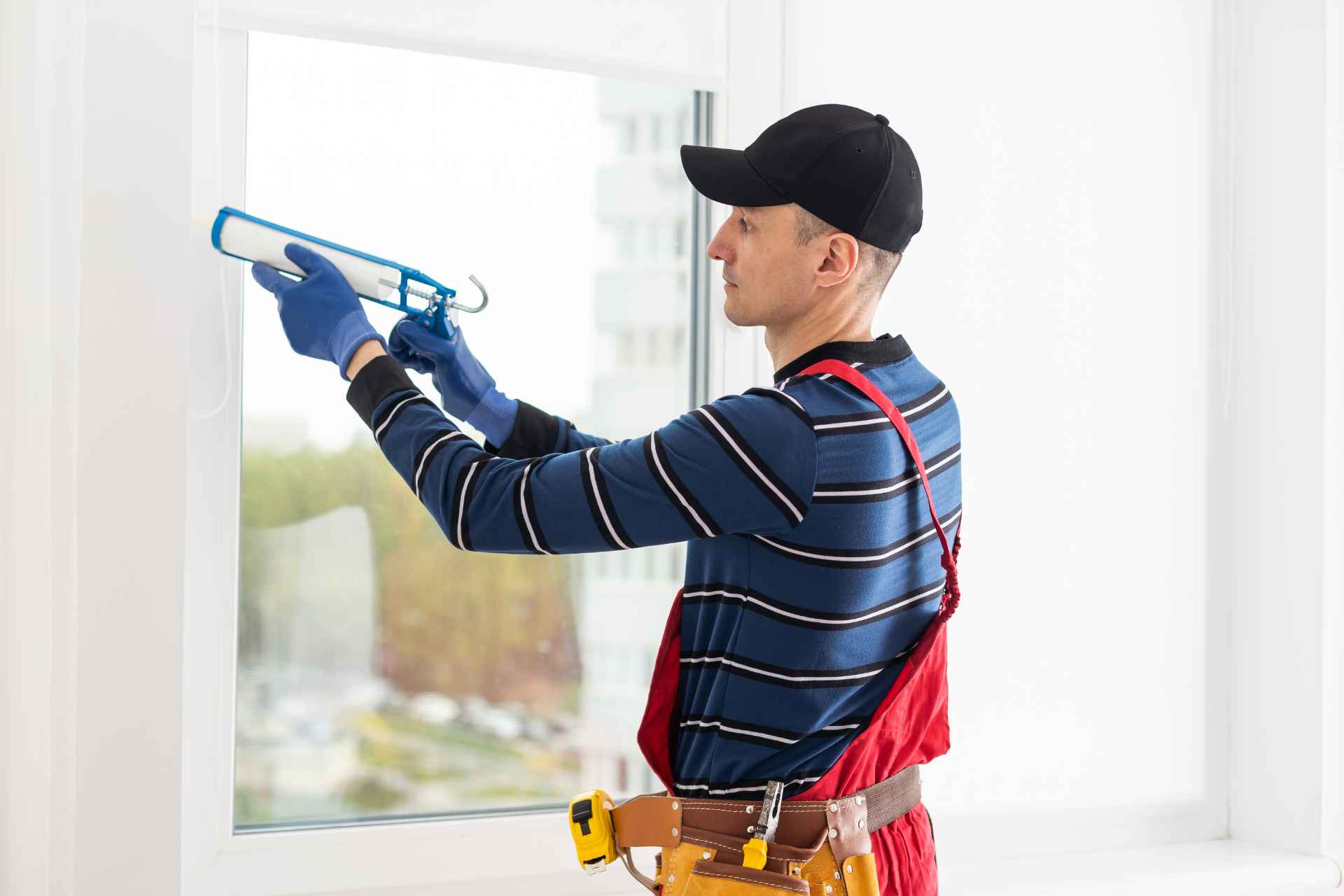
Proper structural installation is just as critical as the glass technology itself. Professional window installers utilize heavy-duty perimeter shims, structural anchor screws, and specialized low-expansion polyurethane foam to ensure the weight of the unit is transferred evenly to the home’s rough wall framing. Ensuring precise squareness and proper sill flashing during installation guarantees that casement hinges, locks, and weatherstripping compression seals operate smoothly without binding, keeping the perimeter airtight and structurally sound for decades.
Key Features to Look For in High-Quality Windows
Not all multi-pane windows are built to the same standards. When evaluating options for your home, recognizing the key features of high-quality windows ensures that your investment yields maximum efficiency and durability:
- Warm-Edge Spacer Bars: Look for stainless steel or structural foam spacers between the glass panes instead of aluminum. Warm-edge spacers reduce thermal conduction around the perimeter edges of the glass unit.
- Multi-Chambered Frame Design: Premium vinyl, fibreglass, or composite frames utilize hollow internal chambers filled with foam insulation to prevent heat from travelling through the frame material itself.
- Multiple Weatherstripping Seals: High-quality operable windows (casement or awning styles) feature double or triple continuous compression seals that clamp tight when locked, preventing air leakage during high windstorms.
- Certified Energy Performance Ratings: Verify that units display low U-factors (indicating minimal heat loss) and appropriate Solar Heat Gain Coefficient (SHGC) numbers suited to your region.
Futureproofing Property Value and Resale Appeal
Residential building codes are tightening rapidly, with municipal and national standards pushing toward net-zero energy readiness for new residential construction. Upgrading your home with triple-pane windows ensures that your property remains ahead of these regulatory shifts rather than falling behind.
From an appraisal standpoint, high-efficiency windows represent an attractive selling point. Prospective home buyers recognize that replacing windows is a major home improvement project. Moving into a house already equipped with triple-pane glass means lower monthly energy bills, superior comfort, and zero need for window replacements for decades to come.
Investing in high-performance building materials protects your financial asset against rising energy tariffs. As space-heating costs climb, the annual savings provided by triple-pane glass continue to accumulate, accelerating your return on investment while delivering an unmatched living experience.
Long-Term Performance for Modern Homes
Upgrading to triple-pane windows is far more than an aesthetic refresh; it is a fundamental upgrade to your home’s thermal and acoustic envelope. By doubling the gas insulation buffer and incorporating multiple low-E coatings, triple-pane technology eliminates cold winter drafts, prevents damaging condensation, silences street noise, and future-proofs your property value. Choosing high-performance multi-pane glass ensures your home stays warm, quiet, and energy-efficient through every season.