Canadian homeowners face some of the most demanding climate conditions in North America. As winter approaches, heating systems work around the clock to maintain indoor warmth against sub-zero temperatures and biting winds. In a typical home, windows account for up to twenty-five percent of total building heat loss. Upgrading old, single-pane or clear-glass windows to modern Energy Star-certified units is one of the most effective ways to lower utility expenses while improving living space comfort.
Investing in energy efficiency creates compounding value across your entire property. Just as resurfacing an asphalt driveway protects ground footings, improves drainage, and boosts overall curb appeal, upgrading aging glazing systems reinforces your building envelope from the outside in. Undertaking a full window replacement before extreme cold arrives ensures your home retains interior heat, reduces furnace strain, and qualifies for valuable financial incentives.
The Quick Edit
- Deciphering Energy Ratings: Look for low U-factors and high Energy Ratings (ER) tailored specifically for Canadian climate zones.
- Financial Incentives: Government grants and rebate programs offset upfront installation costs for high-efficiency glazing upgrades.
- Long-Term Asset Value: Modern insulated glass units cut monthly energy bills while boosting resale equity and interior comfort.
Decoding Natural Resources Canada (NRCan) Certification Metrics
Understanding Energy Star certification requires looking at how Natural Resources Canada evaluates window performance. Energy Star certified models must meet strict technical criteria tested under standardized laboratory conditions. Rather than relying on simple double-pane designs, certified windows integrate advanced glass coatings, warm-edge spacers, and gas-filled insulating chambers.
Two primary metrics define window thermal performance under Canadian standards. The first is the U-factor, which measures the rate of non-solar heat transfer through the entire window assembly, including glass, frame, and spacer materials. A lower U-factor indicates better insulating properties, meaning less furnace heat escapes during freezing nights.
The second key metric is the Energy Rating, a single numerical value that balances heat loss against passive solar heat gain and air leakage. A higher Energy Rating means the window captures beneficial winter sunlight while minimizing draftiness. In cold Canadian regions, selecting windows with a high Energy Rating helps offset space heating requirements naturally throughout clear winter days.
The Technology Behind Modern High-Efficiency Glazing
Energy Star-certified windows achieve high thermal resistance through precise engineering. Standard glass allows heat radiation to pass freely between indoor and outdoor environments. In contrast, certified units utilize microscopically thin metal oxide layers known as Low-E (Low-Emissivity) coatings applied directly to internal glass surfaces.
Low-E coatings act like thermal mirrors. During winter, they reflect long-wave infrared heat back inside your living space rather than letting it radiate outdoors. During summer, spectrally selective Low-E coatings reflect hot solar radiation away from the home, keeping interior spaces cool without overburdening air conditioning units.
Beyond Low-E coatings, certified units feature gas-filled cavities between panes. Instead of standard air, manufacturers inject harmless, dense inert gases such as argon or krypton into the sealed chamber. Argon gas moves much slower than air, significantly reducing conductive and convective heat transfer through the glass pack. Paired with warm-edge composite spacers that prevent cold transfer around perimeter edges, these units eliminate perimeter frost and interior glass condensation.
Unlocking Government Rebates and Financial Incentives
The initial investment required for high-efficiency windows is offset by federal, provincial, and municipal financial incentive programs. Government initiatives actively encourage homeowners to reduce residential carbon footprints by upgrading building envelope efficiency.
Many energy efficiency programs offer direct cash rebates for every certified window installed. To qualify for maximum grant tiers, windows must meet specific performance thresholds, often requiring triple-pane construction or high Energy Rating values. Over an entire house, these financial incentives offset a significant portion of upfront material and installation expenses.
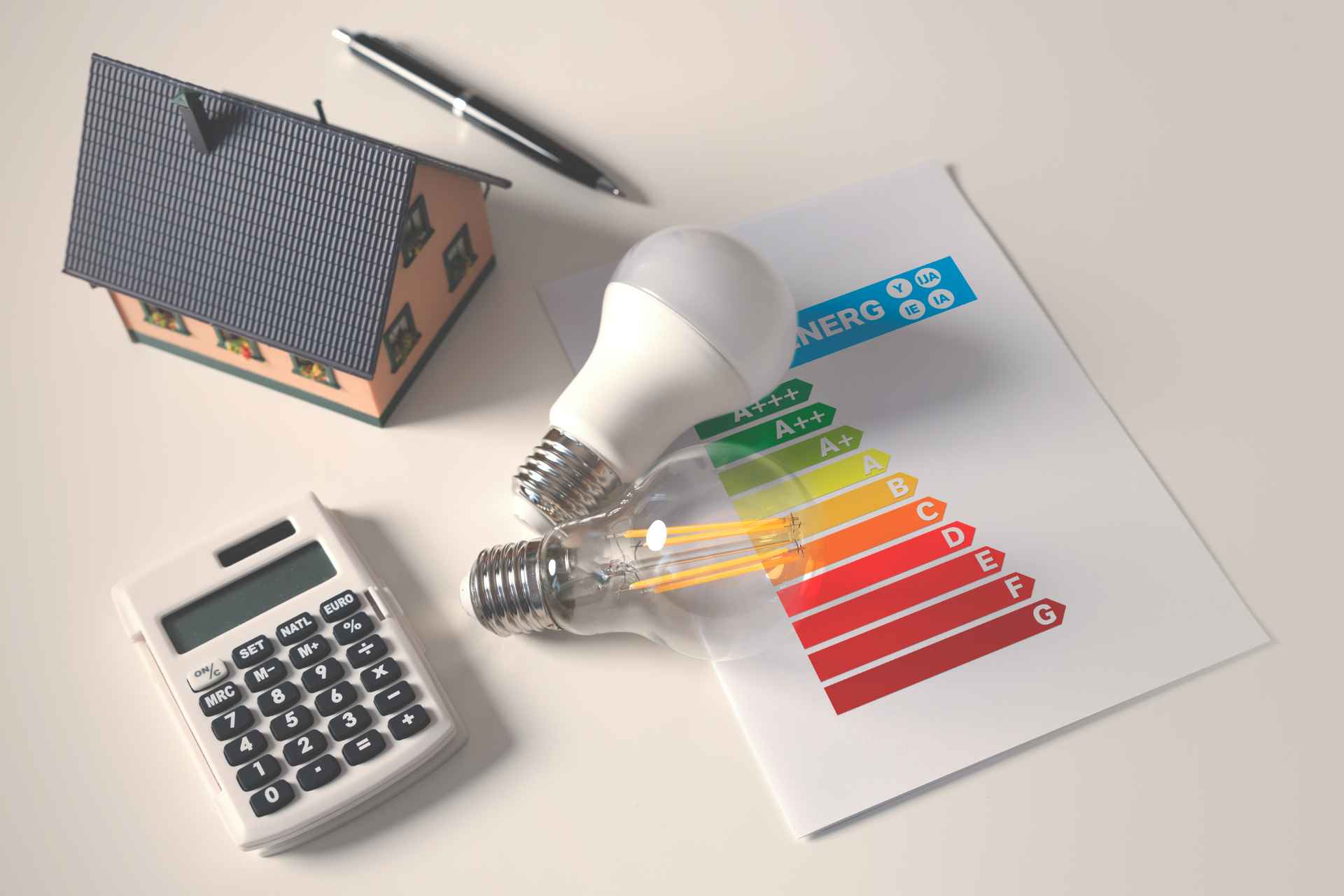
To take full advantage of available rebates, homeowners usually undergo a pre-upgrade EnerGuide home energy assessment. An energy advisor inspects the building envelope, performs a blower door test to measure air leakage, and identifies weak thermal points. After certified installers complete the upgrade, a post-installation evaluation confirms energy performance gains and triggers your rebate payout, maximizing your total return on investment.
Eliminating Drafts and Boosting Indoor Thermal Comfort
While lower energy bills and government rebates are compelling financial motivators, the daily improvement in living comfort is equally rewarding. Drafty, low-quality windows create radiant cold zones that force homeowners to step away from exterior walls during winter months.
When warm room air comes into contact with cold interior glass, it cools rapidly and falls toward the floor, creating a continuous downward convective current that feels like a breeze. Certified high quality windows keep interior glass temperatures significantly closer to indoor room temperatures, stopping cold air drafts at the source.
Investing in energy-efficient windows in custom builds or existing home renovations allows families to use every square foot of living space comfortably year-round. Consistent glass surface temperatures eliminate cold spots near seating areas, create quieter indoor environments by dampening outdoor noise, and keep interior humidity balanced without heavy winter condensation pooling along sills.
Comparing Double-Pane vs. Triple-Pane Window Performance
When selecting new windows, homeowners must decide between double-pane and triple-pane insulated glass units. While double-pane Energy Star windows offer substantial performance gains over older single-pane glass, triple-pane windows represent the ultimate benchmark for extreme climate performance.
Triple-pane units feature three sheets of glass framing two separate gas-filled cavities. This double-chamber design provides an additional insulating barrier and allows for dual Low-E coating applications. Although triple-pane windows carry higher upfront costs due to additional glass and heavier frame construction, their performance gains are significant in colder climates.
Triple-pane construction reduces heat loss by up to twenty percent compared to standard double-pane windows, providing superior resistance against interior glass condensation during severe deep-freeze events. In region-specific northern environments, the added energy savings and soundproofing qualities of triple-pane units quickly repay the initial price difference over the lifespan of the installation.
Maximizing Resale Equity and Long-Term Property Value
Energy Star window upgrades deliver lasting real estate value beyond immediate heating bill savings. Prospective homebuyers in modern real estate markets prioritize move-in readiness, low operating costs, and updated building systems. Certified window assemblies provide visible proof of responsible home maintenance.
Upgrading to new winter windows enhances exterior curb appeal while offering documented proof of low heating and cooling costs to future buyers. Real estate assessments consistently show that energy-efficiency improvements yield high cost-recovery rates during home sales.
Additionally, protecting your building envelope with modern sealed units prevents hidden structural moisture damage. By eliminating windowsill condensation and frame leaks, you protect interior drywall, floor joists, and wall studs from rot, preserving structural equity for decades to come.
Practical Maintenance to Preserve Certified Performance
To ensure your high-efficiency windows maintain certified performance ratings throughout their service life, regular care is essential. Performing seasonal fall window inspection and maintenance ensures weatherstripping remains pliable, drainage weep holes stay clear, and sash hardware stays properly aligned.
Inspect exterior caulking beads annually, re-sealing hairline cracks with premium elastomeric sealants before winter moisture freezes and expands frame joints. Clean tracks and lubricate operating hardware with silicone spray to prevent mechanical binding, ensuring sashes lock tightly against perimeter weatherstripping every time they close.
Smart Efficiency for Canadian Homes
Upgrading to Energy Star certified windows is a strategic investment that combines immediate comfort, monthly energy savings, and substantial financial rebates. By selecting high-performance glazing built for Canadian weather, you protect your building envelope, cut carbon emissions, and enjoy a warm, draft-free home through every winter storm.