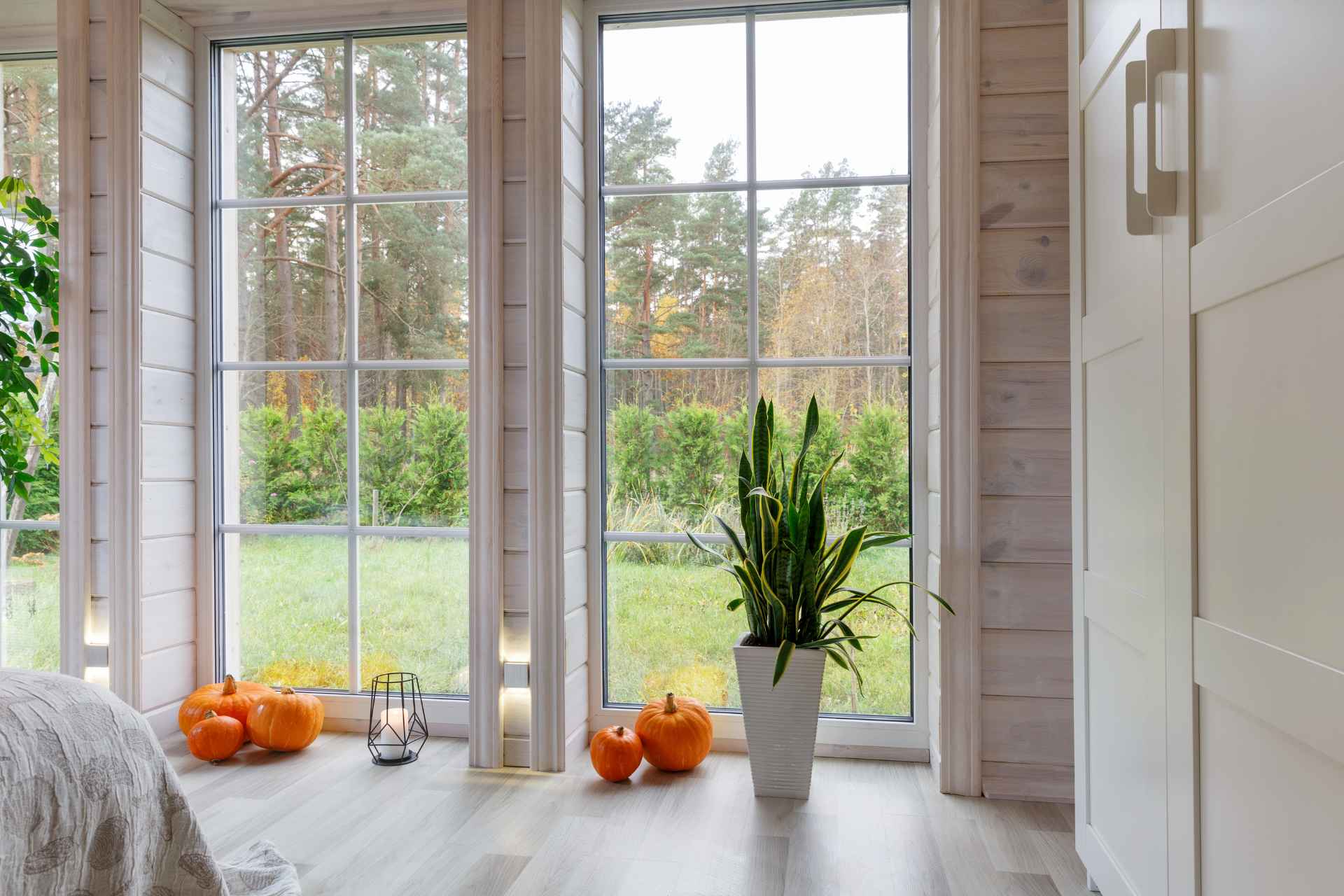
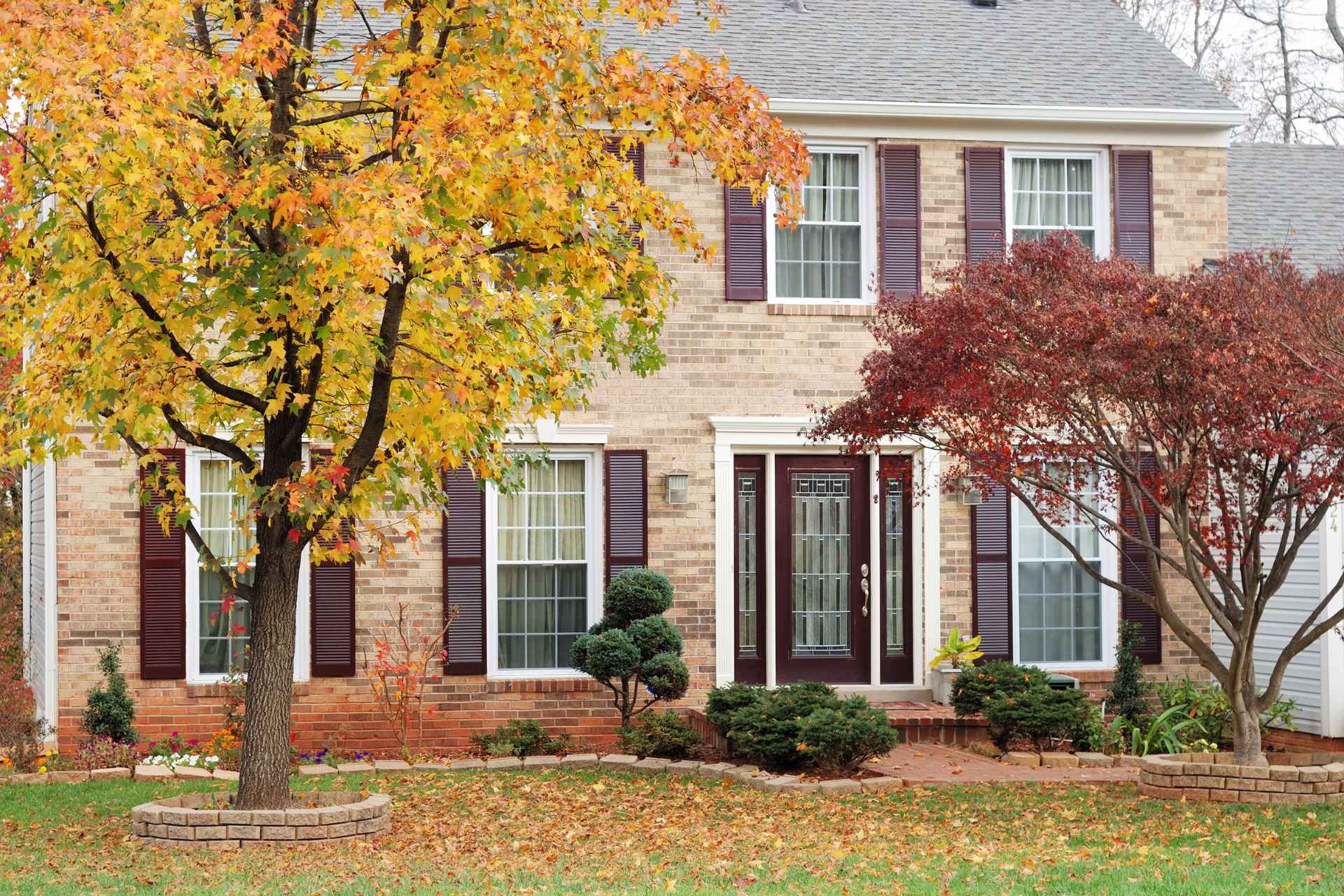
Capturing natural daylight is a central priority for modern architectural design. Living through dark, prolonged northern winters makes us deeply appreciate bright, sunlit rooms. When planning a major property upgrade, homeowners focus on design features that maximize interior natural light. Booking a premium window replacement project is the single most efficient way to flood your living spaces with clean, natural sunshine, instantly lifting your mood and reducing your reliance on artificial indoor lighting.
Achieving a perfectly illuminated home requires a comprehensive approach to your exterior envelope. Many property owners buy heavy, dark window coverings to control privacy, which accidentally block out valuable daytime sun rays. To fix this, you must balance open glass expanses with high-performance insulation. This guide explores the engineering principles needed to illuminate your floor plan while keeping your energy bills low, ensuring your space stays exceptionally bright without turning into a drafty liability.
The Quick Edit
- Sun’s Tracking Path: Placing larger glass arrays along south-facing walls captures passive winter warmth and high-volume ambient daylight.
- Structural Frame Volume: Choosing thin, high-strength frames increases your total glass surface area, maximizing daylight intake.
- Thermal Performance Balance: Using smart Low-E coatings keeps your rooms bright while stopping winter heat from escaping through the glass.
Solar Trajectories: Positioning Glass to Capture Deep Seasonal Sunshine
To bring the most light into your home, you must understand how the sun tracks across the sky. The sun stays low on the southern horizon during cold winter months, throwing long shadows across your property. To take advantage of this path, your main living areas—like the kitchen and family room—should feature large glass panes facing south. This placement captures the maximum duration of daylight, illuminating your home from early morning until late afternoon.
This intentional positioning works like a natural heater. The low winter sun shines directly into your home, warming your floors and walls through passive solar gain. When summer arrives and the sun rides high overhead, simple exterior overhangs or awnings block out the intense afternoon heat. This seasonal balance keeps your home bright all year without overloading your air conditioner, creating a highly sustainable climate management strategy for your property.
East-facing glass brings soft, clean morning light into breakfast nooks but cools down fast by afternoon. West-facing glass catches intense, low-angle rays late in the day, which can cause severe glare and rapid heat buildup if not managed correctly. Designing with these natural solar paths ensures every room gets the right amount of light at the right time, balancing ambient lighting with thermal equilibrium across your entire floor plan.
Architectural Profiles: Choosing the Right Framing and Glass Shapes
The physical style and shape of your window frames directly dictate how much daylight enters your home. Standard double-hung windows feature thick wooden meeting rails right across the center of your view. These wide dividers block incoming light, cast horizontal shadows deep into your living space, and artificially restrict the visual volume of your rooms.
To maximize your light intake, think about incorporating large custom-shaped windows into your home’s design. Adding architectural half-rounds, tall trapezoids, or sweeping transoms above your main window groupings pulls daylight high into the room. This elevated glass placement allows sunlight to reflect off your ceilings. This deep reflection illuminates the dark back corners of your floor plan without creating harsh glare at eye level, making your entire living space feel grander and more welcoming.
Your choice of window operation also impacts both your view and your airflow. For example, choosing between awning windows and casement windows requires looking closely at their frame structures. Casement windows swing outward like a door, using a single clear piece of glass that offers wide, unobstructed views. Awning windows hinge at the top, allowing you to leave them open for ventilation on a rainy day while keeping your view bright and blocking falling water. Both options remove the heavy horizontal rails found in double-hung units, giving you a cleaner sightline.
Visual Harmony: Coordinating Exterior Materials for Elite Curb Appeal
Maximizing natural light should always enhance your home’s exterior style. Your new window frames must blend seamlessly with your home’s main architectural features to keep the property value high. Meticulously matching windows and siding can enhance the curb appeal of your house by creating a clean, cohesive design language that unifies your entire lot.
Modern window frames are available in dark, narrow profiles like charcoal, bronze, and textured black. These thin, dark frames create a sharp contrast against light siding, acting like a picture frame for the landscape outside. Choosing slim-profile frames does more than just modernize your exterior; it actively increases your total glass surface area, letting more light into your rooms while presenting a clean, upscale aesthetic to the neighbourhood.
By keeping the framing profile thin, you also reduce the visual weight of large window groupings on your exterior walls. This allows multiple window units to be mulled together into large glass walls without creating an overwhelming expanse of plastic or metal. The result is a clean transition from your home’s exterior cladding to its glass elements, maximizing your view while maintaining a highly professional architectural style.
Material Substrates: Navigating Visible Light Transmittance Ratings
Homeowners often worry that installing larger windows will turn their rooms into cold, drafty spaces during harsh winter nights. This concern is valid if you use low-grade, single-pane glass or standard commercial glazing. Protecting your home’s comfort requires understanding the science of modern window coatings, which are specifically engineered to isolate thermal energy while allowing visible light to pass through.
Every premium window carries a verified Visible Light Transmittance (VLT) rating, which measures the exact percentage of daylight that passes through the glass. Advanced glazing uses micro-thin silver layers inside the insulated glass unit to block invisible infrared heat rays while letting visible light shine through. This technology keeps your home bright, warm, and highly energy-efficient, giving you all the benefits of sunshine without any of the heat loss.
In addition to VLT ratings, you must consider the solar heat gain coefficient (SHGC), which tracks how much solar heat enters through the glass. In colder northern climates, choosing a window with a higher SHGC on south-facing walls helps you harvest free solar warmth during the winter. By matching your VLT and SHGC ratings to your specific geographic climate, you can create an energy-efficient home that stays naturally bright and perfectly conditioned.
Preventing the Perimeter Leak: The Core Value of Flawless Fitting
You can buy the most beautiful, expensive architectural glass on the market, but it will not perform if the installation is rushed. Even minor alignment errors can ruin your energy efficiency and destroy your thermal envelope. Suffering from a poor window installation means your large glass units will leak heat constantly along their outer edges, invalidating the energy-saving benefits of your high-performance glass upgrades.
When large windows sag or sit unlevel in a wall opening, the frame twists out of square. This movement cracks the perimeter foam seals, creating hidden gaps that allow freezing winter drafts to pour into your home. This cold air transfer chills your interior walls, causing indoor humidity to condense into pools of water along your window sills, which destroys your drywall, warps your wood trim, and creates a breeding ground for toxic mould.
Furthermore, when large glass panes are subjected to twisting forces from an unlevel frame, the risk of stress cracks increases dramatically. Temperature changes cause the glass to expand and contract, and if the frame does not provide a perfectly square, cushioned pocket, the shifting pressure can crack the insulated glass unit. Ensuring your windows are fitted with absolute mechanical precision is essential for keeping your views clear and your home airtight.
Illuminating Real Estate Equity Through Precision Glazing
Maximizing interior natural light is a powerful design choice that enhances your living spaces, boosts your mood, and lowers your monthly electricity costs. Sunlight is a free, natural resource that brightens your home and provides passive warmth when managed correctly, making your home feel larger and more connected to the outdoors. Achieving this balance requires combining smart architectural placement with high-performance glass technology.
True property preservation means ensuring your bright new views are protected by professional craftsmanship. By focusing on solar tracking paths, utilizing slim frame profiles, and insisting on airtight installation standards, you secure your home envelope. Investing in premium daylighting design ensures your real estate asset remains a warm, bright, and beautifully efficient sanctuary for decades to come.