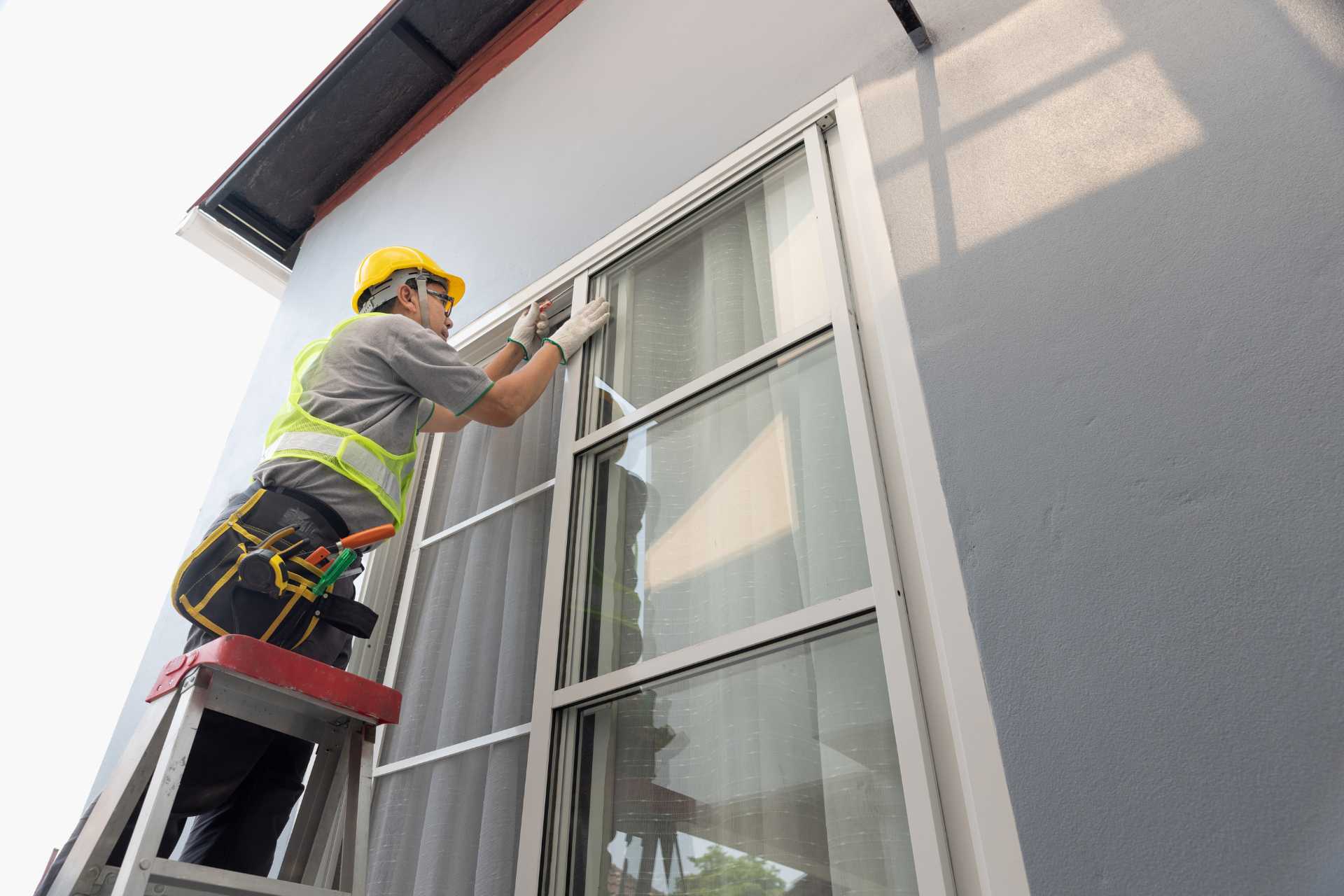
Deciding whether to repair existing windows or proceed with window replacement is one of the most common—and most misunderstood—home improvement decisions Canadian homeowners face. The choice is rarely as simple as age or appearance, especially in a climate where windows must withstand long winters, freeze–thaw cycles, and constant temperature fluctuations. What looks like a minor issue today can quietly affect comfort, energy use, and moisture control throughout the home.
This decision can also carry legal and financial implications, particularly when selling or renovating a property. Just as consulting a real estate lawyer helps homeowners navigate disclosure and transaction responsibilities, understanding window performance helps avoid costly mistakes. This guide breaks down when repairs make sense, when replacement is the smarter option, and how to make a decision rooted in long-term performance rather than short-term fixes.
What Window Repairs Can Realistically Fix
Window repairs can be effective when issues are limited and the window system itself is still structurally sound. Common repairable problems include worn weatherstripping, loose hardware, malfunctioning locks, or minor air leaks around the sash. Addressing these issues can restore basic functionality and improve comfort without significant investment.
Repairs are most successful when windows are relatively modern and have not suffered internal seal failure or frame deterioration. In these cases, targeted fixes can extend window life and improve day-to-day performance. Repairs work best as maintenance tools—not as solutions for fundamental performance loss.
When Window Repairs Stop Being Cost-Effective
Repairs lose their value when problems recur or escalate beyond surface-level issues. Replacing weatherstripping repeatedly, resealing frames each winter, or adjusting hardware season after season often signals deeper performance failure. These recurring costs add up quickly while delivering diminishing returns.
Once insulating glass seals fail, frames absorb moisture, or drafts persist despite repairs, replacement becomes the more practical option. Continuing to patch windows that no longer perform effectively often costs more over time than a single, well-planned upgrade.
How Window Age and Technology Affect the Decision
Window technology has advanced significantly over the past two decades, particularly in Canada’s energy-efficiency standards. Older windows were not designed to handle modern expectations for insulation, moisture resistance, or airtightness. Even well-maintained older units may struggle to meet current performance demands.
Newer window systems incorporate improved glazing, advanced seals, and more stable frame materials. These upgrades allow windows to perform consistently through extreme temperature changes. Age alone does not mandate replacement, but outdated technology often limits how effective repairs can be.
Energy Efficiency, Comfort, and Heating Costs
Windows play a critical role in regulating indoor temperature. When windows lose insulation performance, heat escapes more easily during winter, forcing heating systems to run longer and harder. This not only increases energy bills but also creates uneven temperatures throughout the home.
Drafts, cold glass surfaces, and temperature swings near windows reduce overall comfort. For homeowners seeking low-maintenance living, windows that require constant adjustments or seasonal fixes undermine that goal. Replacement windows often restore consistent comfort while reducing heating demands.
Moisture, Condensation, and Structural Risk
Condensation is one of the most common warning signs that windows are no longer performing as intended. While occasional condensation can be normal, persistent moisture buildup often indicates seal failure or poor insulation. Over time, trapped moisture can damage frames, sills, and surrounding wall materials.
When moisture issues are ignored, the risk extends beyond the window itself. Water infiltration can affect insulation, promote mould growth, and compromise structural components. At this stage, repairs may mask symptoms but fail to address the underlying problem.
How Budget and Long-Term Plans Influence the Choice
Financial planning plays a major role in the repair-versus-replace decision. Homeowners planning to stay long-term often benefit more from replacement, as improved efficiency and comfort accumulate over time. Short-term ownership may justify limited repairs, provided performance remains acceptable.
Budget decisions should also consider future costs. Delaying replacement while repeatedly repairing failing windows often results in higher total spending. Recognizing when your home needs replacement windows allows homeowners to plan upgrades strategically rather than react to emergencies.
Why Neglecting Weatherproofing Changes the Equation
Weatherproofing is essential in Canadian climates, and windows are a key part of that system. When homeowners neglect weatherproofing, small air and moisture leaks can expand into widespread performance issues. Repairs that do not restore full weather resistance often fail during extreme cold or heavy precipitation.
Once weatherproofing integrity is compromised, replacement becomes the more reliable option. New windows restore the protective barrier between indoor and outdoor environments, reducing the likelihood of recurring issues caused by seasonal stress.
How Professional Evaluation Prevents Costly Mistakes
Accurately assessing whether windows should be repaired or replaced requires more than visual inspection. Professional evaluations examine seal integrity, frame condition, moisture intrusion, and overall performance within the building envelope. This holistic view prevents misdiagnosis and unnecessary work.
Expert assessment also ensures homeowners do not replace windows prematurely or overlook hidden problems. An informed evaluation aligns solutions with actual conditions rather than assumptions, leading to better long-term outcomes.
The Role of Resale Value and Buyer Expectations
Windows influence buyer perception and property value more than many homeowners realize. Poorly performing windows can raise concerns during inspections and negotiations, particularly in older homes. Buyers increasingly prioritize energy efficiency and comfort, especially in colder regions.
Well-chosen replacements can strengthen resale appeal, while visibly failing windows may complicate transactions. Understanding how window condition factors into future plans helps homeowners make decisions that align with both lifestyle and investment goals.
The Right Choice Is the Informed One
Choosing between repairing or replacing windows is not about finding the cheapest option—it is about selecting the solution that delivers lasting performance. Repairs can be effective when issues are minor and systems remain sound. Replacement becomes the smarter choice when efficiency, comfort, and moisture control are compromised.
Canadian weather leaves little room for uncertainty. Homeowners who understand window performance, recognize warning signs, and act proactively protect their comfort, budgets, and property value. The right choice is always the one based on informed evaluation, not short-term convenience.