When extreme weather hits Canada, most homeowners instinctively think about the primary defences: the roof shedding snow, the siding deflecting wind-driven rain, or even the asphalt driveway reacting to freeze-thaw stress. However, windows play an equally critical, though often overlooked, role in protecting the home. These seemingly fragile components are, in fact, integral to the building envelope, acting as a sophisticated barrier against the elements.
This article explores how properly designed and installed windows help regulate indoor temperatures during periods of extreme cold while simultaneously limiting heat gain during periods of intense summer heat. High-performance windows significantly reduce air infiltration, effectively manage moisture, and shield interior spaces from wind, snow, and driving rain. By examining how windows perform under both temperature extremes, this discussion helps homeowners understand why windows are a key line of defence in maintaining comfort, efficiency, and crucial structural protection year-round. Investing in quality through window replacement is an investment in the home’s resilience.
Defence Against Winter Extremes (The Thermal Barrier)
During the harsh Canadian winter, windows are on the front lines, battling extreme cold. Their primary protective function is to regulate indoor temperatures by minimizing heat loss. This is achieved through advanced engineering. Modern windows feature multi-pane glass, which creates insulating air or gas pockets, and specialized Low-E coatings that reflect interior heat back into the room. Inert gas fills, such as argon, between the panes further enhance their insulating properties. These features work in concert to significantly reduce conductive heat loss from the warm interior.
This regulation is essential for preventing interior surface temperatures from dropping too low, which can lead to uncomfortable cold spots near windows and eliminate the risk of condensation forming on the glass. Condensation is not just an aesthetic issue; chronic moisture can lead to mould growth and damage to window frames and sills. Furthermore, robust, meticulously sealed frames and sashes, equipped with high-quality weatherstripping, prevent cold drafts from entering and warm air from escaping. This airtight seal stops wind, snow, and driving rain from penetrating the wall assembly at the window opening, protecting the adjacent framing from debilitating moisture damage. The durable seals and weatherstripping are crucial components.
Defence Against Summer Extremes (Solar and Heat Control)
The protective role of windows extends equally into the challenges of extreme weather during summer. One of their key functions is to limit solar heat gain. The same Low-E coatings that reflect interior heat inward during winter also work in reverse during summer. They reflect the sun’s infrared (heat) energy outward before it can enter the home. This drastically reduces the solar heat load on the interior, minimizing the need for air conditioning. By preventing rooms from overheating during intense summer heatwaves, these windows contribute significantly to maintaining indoor comfort and reducing energy consumption.
Beyond temperature control, high-performance windows also offer crucial protection for interior finishes. The specialized glass coatings do more than just manage heat; they also filter out damaging ultraviolet (UV) radiation. Prolonged exposure to intense sunlight, especially in rooms with direct sun exposure, can cause carpets, furniture, drapes, and artwork to fade prematurely and materials to degrade. By blocking a significant portion of these harmful UV rays, modern windows act as a shield, preserving the lifespan and vibrancy of interior furnishings and décor, safeguarding the homeowner’s aesthetic investments from extreme weather damage.
Resilience and Structural Integrity
Windows are not merely passive barriers; they are structural components designed to withstand significant environmental forces. They must be robust enough to handle high winds and the resulting positive and negative pressures exerted on both the glass and the frame. In extreme weather events, such as severe windstorms common in many parts of Canada, improperly installed or low-quality windows can flex, crack, or even fail. Such failures lead to immediate breaches in the building envelope, allowing wind, rain, and debris to enter the home, potentially causing extensive interior damage. The strength and durability of aluminum windows or high-quality vinyl options are paramount in these situations.
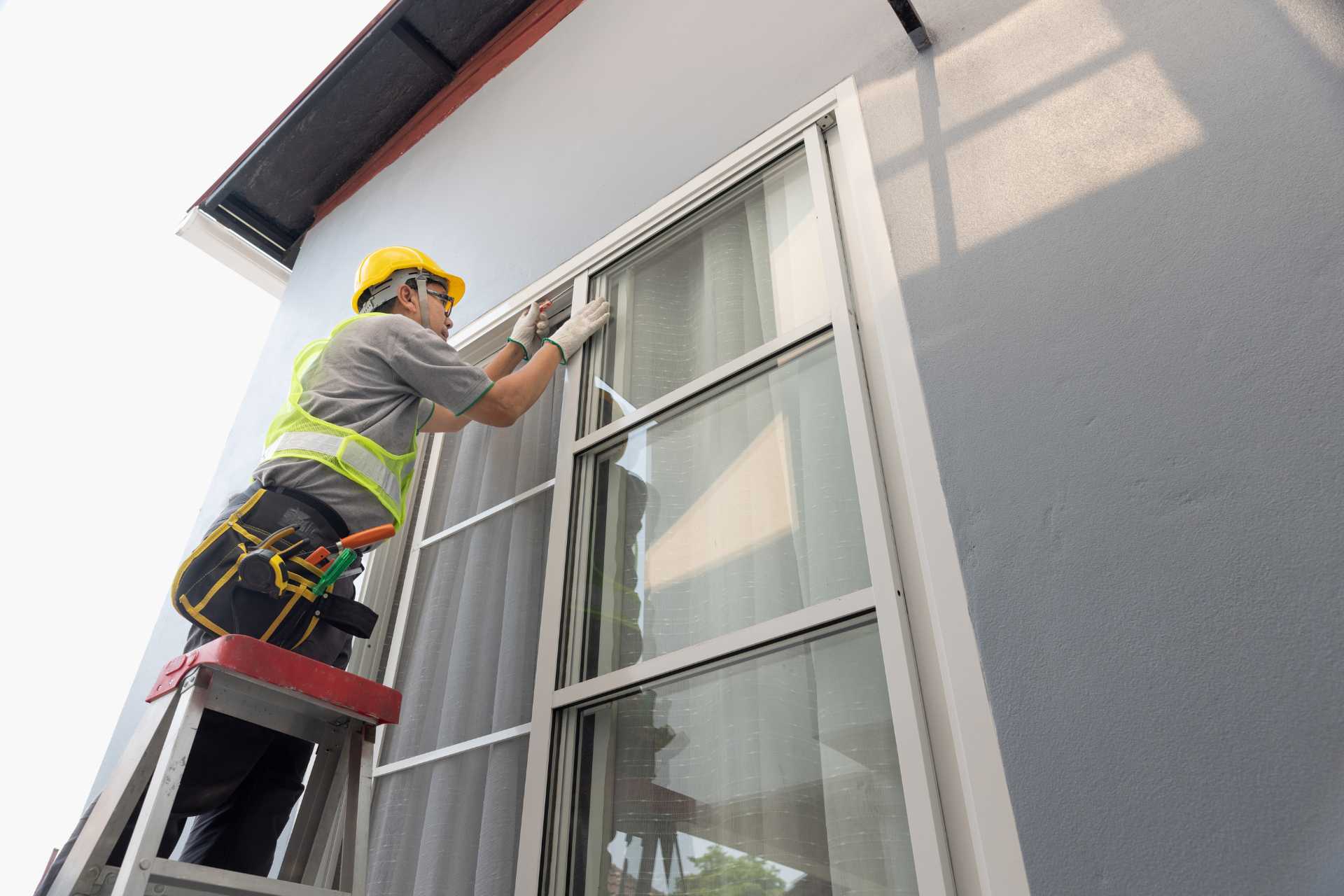
The installation of windows is just as critical as their inherent quality. The meticulous application of external flashing and sealants around the window opening is vital for its long-term performance. This system ensures that any water hitting the window is effectively shed away from the wall assembly. This crucial sealing prevents water from tracking into the wall structure, safeguarding the surrounding wood framing from rot, mould, and eventual structural compromise. Regular maintenance, including checking and renewing these seals, helps to reseal your windows and maintain their protective function.
The Material Factor: Frame and Glass
The choice of window frame material significantly impacts its ability to protect against extreme weather. Vinyl frames, for instance, are popular for their excellent insulating properties and resistance to moisture. Fibreglass frames offer superior strength and thermal stability, making them highly resistant to warping or cracking under temperature extremes. Wood frames, while aesthetically appealing, require meticulous maintenance to prevent moisture absorption and rot. Each material brings a different level of resilience and longevity to the battle against the elements.
The glass package is equally important. Beyond Low-E coatings and inert gas fills, some windows offer laminated or tempered glass options. Laminated glass, similar to a car windshield, holds together when broken, providing enhanced security and protection against flying debris during severe storms. Tempered glass is stronger and shatters into small, safer pieces, reducing injury risk. These advanced glass options provide an extra layer of defence, enhancing the overall resilience of the home in the face of extreme weather.
The Envelope’s Vital Link
Modern windows are far more than simple openings for light and views. They are essential, sophisticated components that actively manage thermal transfer, control air movement, and prevent moisture intrusion. This makes them vital to a home’s year-round resilience and comfort. By understanding the multi-faceted protective roles windows play, homeowners can appreciate their significance as a key line of defence within the entire building envelope. They are integral to maintaining stable indoor temperatures, safeguarding interior furnishings, and preserving the structural integrity of the property.
Homeowners are strongly encouraged to inspect window seals, frames, and hardware regularly. Any signs of cracking, degradation, or operational issues should be addressed promptly. Treating windows as a key structural and thermal investment, rather than a mere aesthetic choice, is necessary for protecting the entire property against Canada’s diverse and often extreme climate conditions. Proactive maintenance and strategic upgrades ensure that windows continue to perform their vital protective duties for decades.
Windows: Your Home’s See-Through Security
Modern windows are essential, sophisticated components that actively manage thermal transfer, air movement, and moisture, making them vital to a home’s year-round resilience. Homeowners should inspect window seals and hardware regularly, treating their windows as a key structural and thermal investment necessary for protecting the entire property against climate extremes.