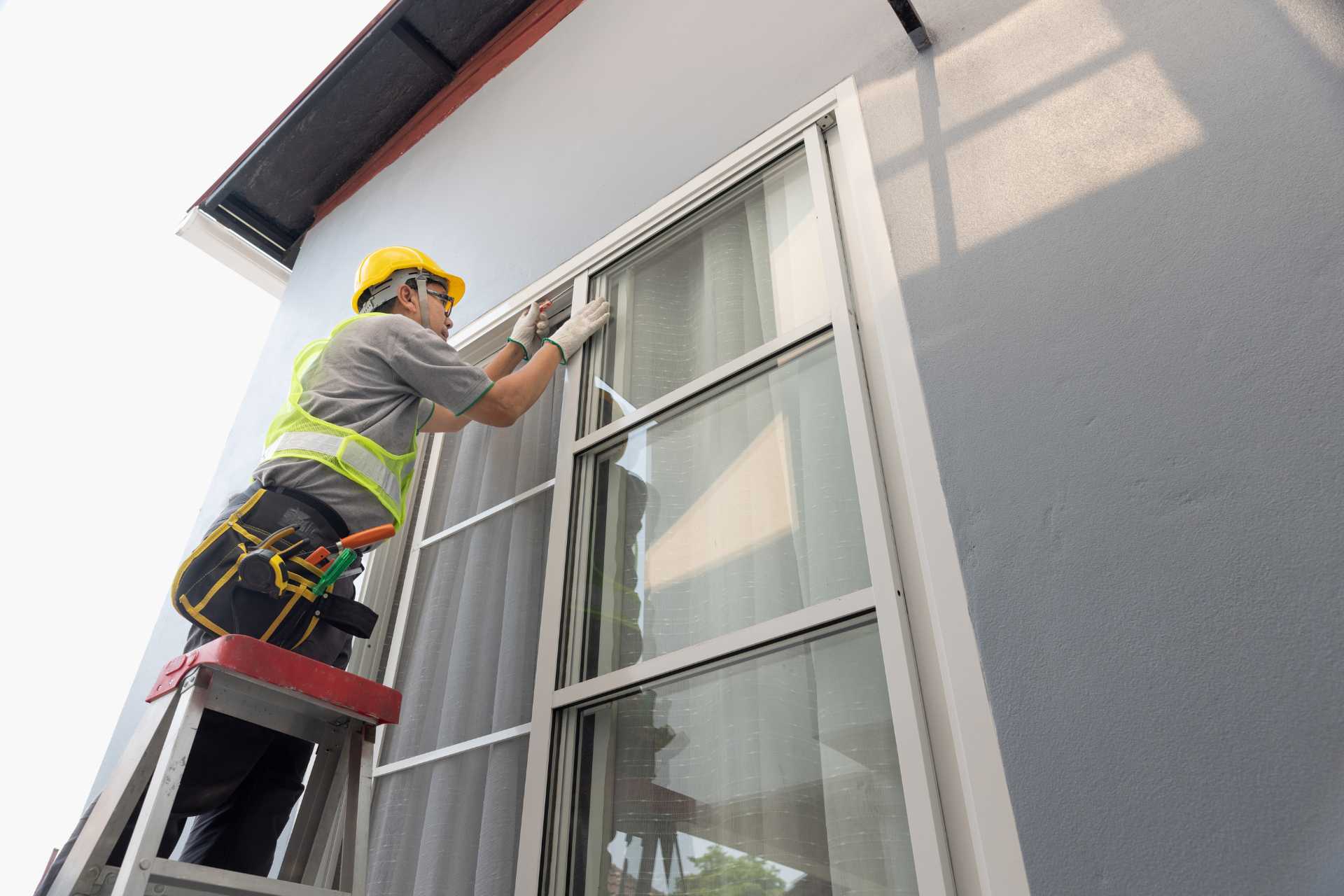
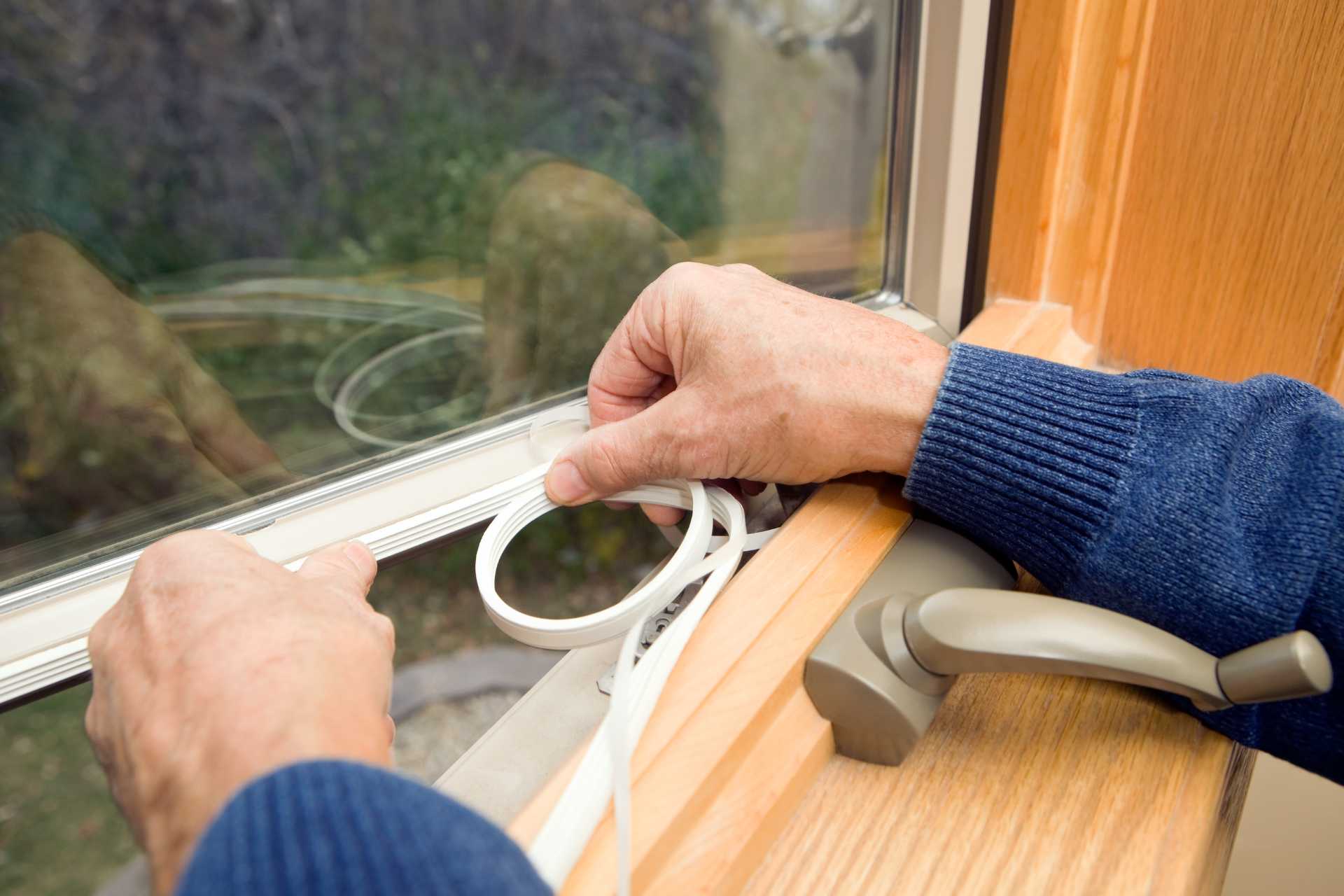
Canadian winters put homes under sustained pressure, especially during long stretches of sub-zero temperatures. Many homeowners do not think about window replacement until drafts, frost, or rising energy costs become hard to ignore. Cold weather tends to expose weaknesses that stay hidden in warmer months, such as shrinking seals and frame gaps. This is why planning ahead matters, because winter conditions magnify small performance issues into daily comfort problems. Recognizing those early warning signs helps homeowners decide what needs attention before the coldest months arrive.
Just as basement underpinning addresses structural stability below the home, window performance affects how well the upper structure resists weather stress. Windows play a direct role in indoor comfort, moisture control, and energy efficiency during heating season. When older units begin underperforming, the effects often spread throughout the home rather than staying limited to one room. Understanding how winter impacts aging windows helps homeowners respond with the right solution, not just temporary fixes. This blog breaks down what changes occur in cold weather and what those changes mean for long-term performance.
Why Cold Temperatures Expose Window Weaknesses
Cold weather places direct stress on aging window components. As temperatures drop, materials contract, and small gaps around frames become more pronounced. These tiny openings allow cold air to infiltrate, increasing heat loss in the winter. What may feel like a minor draft in autumn often becomes a persistent comfort issue once deep winter arrives. Older windows simply struggle to maintain a consistent thermal barrier when exposed to extreme cold.
This increased air leakage forces the heating system to work harder to compensate. When windows fail to insulate properly, warm indoor air escapes more quickly than it should. Over time, this imbalance contributes to an overworked HVAC system, especially during prolonged cold snaps. Consistent strain not only raises energy bills but also reduces overall heating efficiency. Window performance directly influences how stable indoor temperatures remain throughout the winter season.
The Impact of Freeze–Thaw Cycles on Window Seals
Freeze–thaw cycles are particularly demanding on aging windows. During the day, sunlight may warm the glass and surrounding frame slightly, only for temperatures to drop sharply at night. This constant expansion and contraction gradually weakens window seals. Over time, these repetitive movements can lead to separation within insulating glass units. Once seals begin to fail, insulation performance declines noticeably.
Seal degradation allows moisture to enter the space between glass panes. This trapped moisture reduces clarity and weakens thermal resistance. When windows no longer provide proper insulation, heat loss becomes more pronounced. What begins as minor condensation can eventually signal the need to repair or replace windows. Freeze–thaw stress accelerates the decline of older window systems in cold climates.
How Drafty Windows Increase Heating Costs
Drafts are one of the most noticeable signs that windows are no longer performing efficiently. When cold air enters through weakened seals or aging frames, indoor temperatures fluctuate more frequently. To maintain comfort, heating systems cycle on more often and run longer. This increased demand leads to higher monthly energy bills during extended winter months. Drafty windows quietly contribute to escalating household costs.
As air leakage continues, the heating system compensates for continuous thermal loss. Over time, persistent strain can result in an overworked HVAC system, especially during prolonged cold spells. The additional workload reduces system efficiency and may increase maintenance requirements. Addressing window inefficiencies becomes an important part of effective winter prep in colder regions. Improving window performance reduces heating strain and restores energy balance throughout the home.
Condensation and Frost as Warning Signs
Condensation forming on interior glass during winter is more than a cosmetic issue. When warm indoor air meets a cold window surface, moisture collects and can eventually freeze. Persistent condensation indicates that the window is not insulating effectively. Over time, repeated moisture exposure can damage surrounding trim and drywall. Window performance directly affects how much interior moisture accumulates during cold weather.
Frost buildup is an even stronger indicator of declining insulation value. When windows are unable to maintain adequate thermal separation, surface temperatures drop significantly. This condition increases heat loss in the winter and reduces indoor comfort. In many cases, homeowners begin to question whether they should repair or replace their windows when condensation becomes routine. Recognizing these warning signs early prevents further deterioration and long-term moisture damage.
Structural Stress on Frames and Glass Units
Aging windows experience structural stress throughout repeated winter seasons. As temperatures fluctuate, frames expand and contract, gradually weakening their stability. Over time, this movement can create slight warping or separation at joints. Glass units may also lose insulating effectiveness as internal components deteriorate. These changes reduce the window’s ability to resist extreme cold.
When frame integrity declines, air leakage becomes more consistent. Even small misalignments increase exposure to outdoor temperatures. Older materials may also become brittle after years of winter cycles. This structural fatigue makes window systems less reliable during harsh conditions. Evaluating long-term durability helps homeowners determine whether replacement provides a more practical solution than ongoing repairs.
When Winter Performance Signals Replacement Is Needed
There comes a point when aging windows no longer provide adequate insulation or structural stability. Persistent drafts, repeated condensation, and difficulty opening or closing units are strong indicators of decline. When heating costs continue to rise despite regular maintenance, window performance should be evaluated carefully. In colder climates, seasonal stress accelerates deterioration and reduces long-term efficiency. Recognizing these patterns helps homeowners decide when replacement is the more sustainable solution.
In many cases, repeated patchwork offers only temporary relief. If seals continue failing or frames remain misaligned, homeowners may need to repair or replace windows to restore energy performance. Modern window systems are designed to improve insulation and reduce thermal transfer significantly. Investing in updated windows supports better indoor comfort and lowers long-term heating strain. Replacing underperforming units can strengthen winter resilience throughout the entire home.
Winter Reveals What Windows Can No Longer Handle
Canadian winters expose the true performance limits of aging window systems. Prolonged cold, freeze–thaw cycles, and moisture buildup accelerate deterioration and increase energy demand. Declining insulation contributes to higher heating costs and greater strain on home systems. Evaluating winter performance provides valuable insight into whether replacement is necessary. Proactive attention to window efficiency protects comfort, structural stability, and long-term value.